Shoe Dog
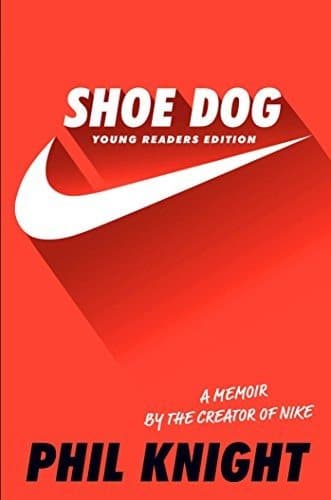
The memoir of Nike's founder — broke, terrified, and one missed bank payment from oblivion for nearly two decades.
The big idea
Phil Knight tells the story of building Nike from a 1962 hunch — that Japanese-made running shoes could undercut Adidas the way Japanese cameras had undercut Leica — into a global brand worth tens of billions. The book is less a business case study than a confession: Knight was perpetually broke, perpetually leveraged, and perpetually convinced bankruptcy was a quarter away. He sold his first 300 pairs of Tiger shoes from the trunk of a Plymouth Valiant at Pacific Northwest track meets.
The Crazy Idea: a 24-year-old with a Stanford paper goes to Kobe and invents a company on the spot.
It is dawn in Portland, 1962. Phil Knight is twenty-four, a year out of Stanford's business school, living at home with his parents. He goes for his usual run, and a thought he cannot shake follows him along the road — Japanese cameras have just crushed the German lock on the global market, and Japanese running shoes could do the same thing to Adidas. He calls this his Crazy Idea, and within weeks he has talked his father into funding a round-the-world trip to chase it.
Bowerman in the kitchen: a coach who saw shoes as the variable nobody had bothered to optimize.
Bill Bowerman coached Oregon to four NCAA track titles, but his real obsession was equipment. He believed athletes were given roughly the genes they were given, and that the only meaningful edge left was what they wore on their feet. He took apart every shoe he could buy, slicing soles, weighing uppers, rebuilding them for individual runners — sometimes shaving an ounce off a shoe and handing it to a boy who would later set a world record.
Always close to broke: growth as a near-religious commitment to dancing on the edge of insolvency.
From 1964 to 1980, Blue Ribbon roughly doubled its revenue every year. It was also, every year, almost out of cash. Knight reinvested everything he had and then some, financing each new shoe order against the receipts of the last, a pyramid that stayed standing only as long as sales kept doubling.
The Onitsuka break and the naming of Nike: a betrayal that forced a brand into existence.
By 1971 Blue Ribbon is Onitsuka's largest American distributor. Knight flies to Japan for what he expects to be a routine meeting and notices a folder on an executive's desk — a list of other American distributors Onitsuka is courting to replace him. He copies the list. He flies home knowing he has to build his own shoe, his own brand, and his own factory relationships before Onitsuka pulls the rug.
Going public, and the accounting an old man does about what the crazy idea cost.
On December 2, 1980, Nike goes public at twenty-two dollars a share. Knight, who has spent eighteen years living a few unmet invoices from ruin, becomes a paper centi-millionaire in a single morning. The memoir's account of the IPO is striking for what it lacks — there is no champagne scene, no triumphal walk through the office. Knight goes home and watches a Star Trek rerun.
The takeaway
Knight's gift is to strip the founder myth down to what it actually felt like — eighteen years of barely making payroll, of running on Bowerman's craftsmanship and Nissho's grace, of being the most leveraged man in the room and trying not to show it. The Swoosh and the IPO are footnotes; the book is really about the cost of pursuing a half-articulated obsession with everything you have. You leave understanding that conviction without an exit plan is the rarest form of business courage, and the only one Knight believes built anything worth building.