Summary
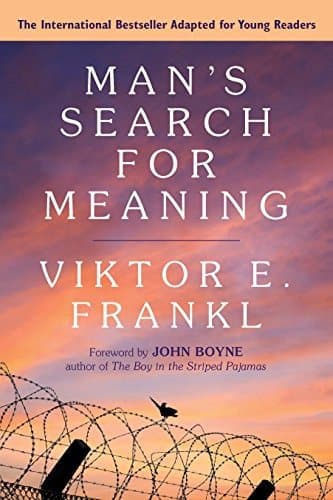
A Holocaust survivor and psychiatrist, Frankl draws from his concentration camp experience to argue that the deepest human drive is not pleasure or power, but meaning. Those who survived the camps, he observed, were often those who held onto a why — a person to live for, work to finish, a purpose. Out of this came logotherapy: the therapeutic search for meaning even in unavoidable suffering.
Key highlights
What we learned from Viktor E. Frankl
Frankl's argument was forged in Auschwitz: meaning is the only durable fuel, and the freedom to choose your response is the one thing that cannot be taken from you. Suffering becomes bearable only when it serves something larger than itself — a person awaiting your love, a work awaiting your hand, an attitude summoned by the unavoidable. You leave less interested in chasing happiness and more interested in finding what life is asking of you.