Summary
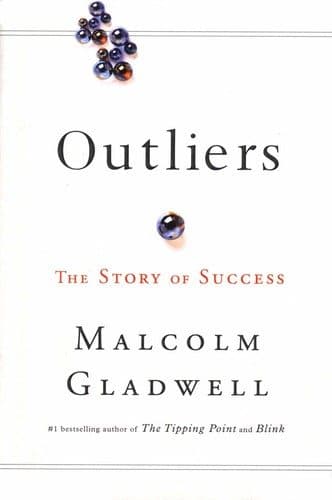
Gladwell deconstructs success stories — Bill Gates, the Beatles, Canadian hockey players, NYC garment workers — to show that hidden patterns of opportunity, timing, family background, and culture explain far more than 'talent.' The 10,000-hour rule (popularized though not coined by Gladwell) is the part everyone remembers, but the deeper argument is that the myth of the self-made outlier obscures how much circumstance does the work.
Key highlights
What we learned from Malcolm Gladwell
Gladwell's gift is dismantling the meritocracy alibi without sliding into fatalism. The Beatles needed Hamburg, Gates needed Lakeside's teletype, the Korean Air cockpit needed English, and Christopher Langan needed someone to fill out a financial aid form — because practical intelligence is taught by class, not school, and 10,000 hours are only available to people whose circumstances permit them. You leave reading every solo-genius profile for the lattice underneath, and treating opportunity as something institutions can engineer rather than weather they merely report.