Summary
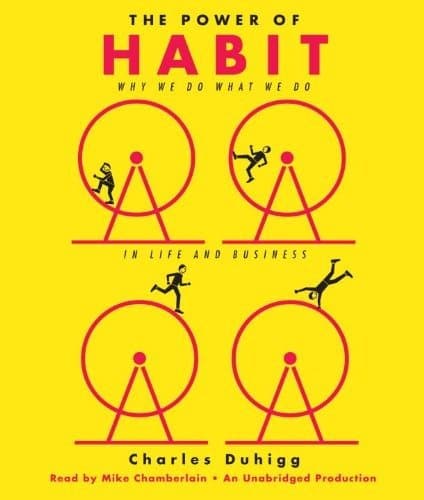
Duhigg, then a New York Times reporter, spent years on the science and stories of habit formation: how a Procter & Gamble researcher saved Febreze, how Tony Dungy built a Super Bowl team, how Alcoa's CEO transformed safety culture. The mechanism is the habit loop: cue → routine → reward. You can't kill an old habit, but you can keep the cue and reward and substitute a new routine. Keystone habits trigger cascades of other change.
Key highlights
What we learned from Charles Duhigg
Duhigg's gift is the diagram inside the autopilot. Once you've followed Eugene Pauly through the kitchen routine that survived his amnesia, watched Febreze succeed by becoming a closing ceremony, and seen Paul O'Neill quintuple Alcoa's value by obsessing over worker safety, you understand habits as a separate operating system with three legible parts: cue, routine, reward. You leave mapping your loops instead of fighting them, replacing routines while keeping the cue, and trusting community to carry belief when willpower runs out.