Summary
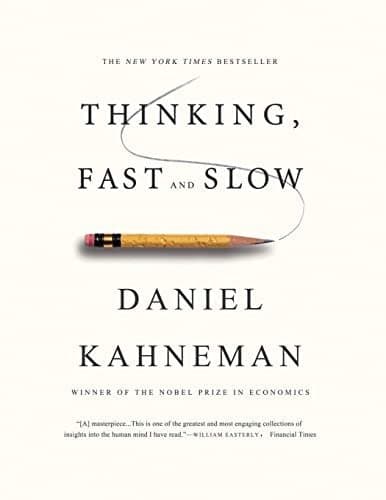
Kahneman summarizes a lifetime of research with Amos Tversky into the architecture of human judgment. System 1 is fast, intuitive, automatic; System 2 is slow, effortful, analytical. Most of our errors come from System 1 running unchecked — anchoring, availability, framing, loss aversion. The book is dense, sometimes academic, but is the canonical reference for how human cognition actually works versus how we imagine it does.
Key highlights
What we learned from Daniel Kahneman
Kahneman's gift is humility about your own mind. After watching judges sentence by dice roll, jam-tasters ruin their preferences by talking, and his own younger self cling to a soldier-evaluation test that didn't work, you stop trusting awareness as a defense against bias. You leave reaching for structural fixes — premortems, calibrated probabilities, decision protocols — because System 1 will keep running its tricks no matter how well you've read the book.