The Richest Man in Babylon
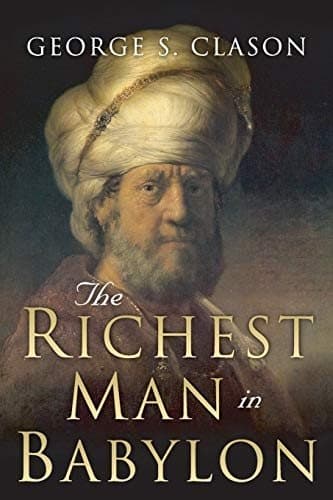
Personal finance dressed as ancient parable — and timeless.
The big idea
Clason's parables, set in ancient Babylon, deliver simple but durable rules: pay yourself first, control expenses, multiply gold through investment, guard against loss, own your home, plan for retirement, increase earning ability. Almost a century later, the book remains one of the cleanest introductions to personal finance ever written, precisely because it doesn't chase complexity.
Pay yourself first — save at least 10% of every dollar earned.
George Clason was a Denver businessman who founded the Clason Map Company in 1898. In 1926 he began publishing pamphlets for banks and insurance companies — short parables set in ancient Babylon that taught personal finance. The pamphlets became The Richest Man in Babylon, the first English-language book to teach saving rates dressed as historical fiction.
Control your expenses — what we call 'necessary' expands to consume what we earn.
Arkad's second cure, delivered to a hundred Babylonian students assembled at his home, is the cold-eye expense audit. Most people raise their living costs whenever income rises and call all of it necessary. The audit is brutal because most expenses migrate from luxury to necessity inside two years of acquisition. The 'necessary' label is the disguise.
Make your gold multiply — put savings to work earning more savings.
Arkad's third cure introduces compounding through the metaphor of gold as a workforce. Each piece you save is a slave with a son, and that son also begets sons; left alone in the field of compound interest, your original gold founds a dynasty. The original is preserved; the children do the labor; the grandchildren are pure profit.
Guard your treasure from loss — protect principal before chasing yield.
Arkad confesses his own painful tuition in the fourth cure. As a younger man he handed his savings to Azmur the bricklayer, who claimed expert knowledge of jewels but knew only mortar. Azmur traveled to Phoenicia to buy gems and was robbed of everything within days. Arkad rebuilt for years. The mistake was not the loss; it was who he had asked.
Make of your dwelling a profitable investment — own where you live.
Clason recounts a parable about a man whose family lived in cramped mud-brick rentals on the edge of the Euphrates, and whose wife wept for a courtyard where children could play. He borrowed from a moneylender, bought a plot beyond the city wall, and within years owned the home outright while his neighbors continued paying rent forever.
Insure a future income — plan today for the day you can't earn.
Arkad's sixth cure introduces what we now call retirement planning. He illustrates it with a parable about a man who set aside two pieces of silver from every ten he earned, depositing them with the moneylender against the day his strength would fail. By his old age he had grown wealthy enough to retire in dignity and leave provision for his widow.
Increase your ability to earn — investment in self pays the highest dividends.
Arkad describes himself in his youth as a humble scribe who worked harder, learned more skills, and observed wealthy clients more carefully than his peers. He decided to copy tablets faster than any colleague, then to learn the legal phrasing of contracts so well that merchants paid him more for cleaner drafts. Each skill expanded his earning capacity by a multiple.
The takeaway
Clason's gift is dressing four millennia of merchant wisdom in parable so the math becomes muscle memory. Arkad's spine — a part of all you earn is yours to keep — works because the lifestyle calibrates to whatever paycheck arrives, with or without the tenth set aside first. You leave less interested in the next raise and more interested in the wall where the budget lives, the temple where the future self's tablet waits, and the seventh cure that has no upper limit.