Summary
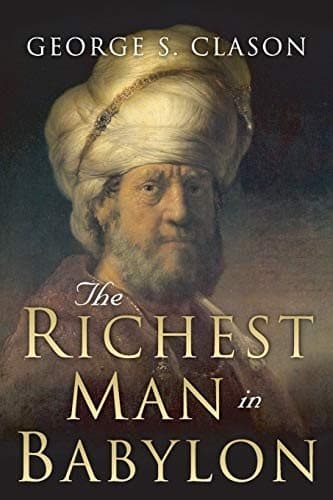
Clason's parables, set in ancient Babylon, deliver simple but durable rules: pay yourself first, control expenses, multiply gold through investment, guard against loss, own your home, plan for retirement, increase earning ability. Almost a century later, the book remains one of the cleanest introductions to personal finance ever written, precisely because it doesn't chase complexity.
Key highlights
What we learned from George S. Clason
Clason's gift is dressing four millennia of merchant wisdom in parable so the math becomes muscle memory. Arkad's spine — a part of all you earn is yours to keep — works because the lifestyle calibrates to whatever paycheck arrives, with or without the tenth set aside first. You leave less interested in the next raise and more interested in the wall where the budget lives, the temple where the future self's tablet waits, and the seventh cure that has no upper limit.