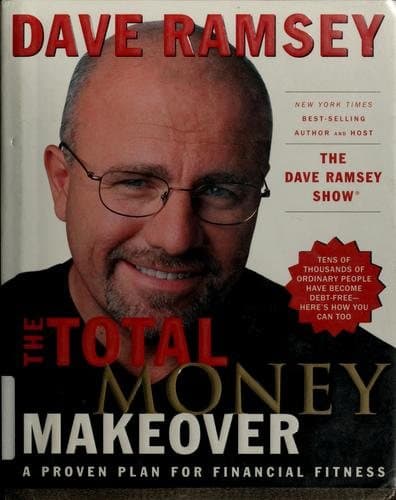
Summary
Ramsey's seven Baby Steps offer a strict, sequential plan: a $1,000 starter emergency fund, debt snowball (smallest balance first), 3–6 months expenses saved, then invest, college, mortgage, and giving. He's blunt about credit cards, leases, and 'normal' debt being normal because most people are broke. The math is sometimes suboptimal (debt avalanche pays less interest), but the behavioral wins from quick small victories often beat the spreadsheet.
Key highlights
What we learned from Dave Ramsey
Ramsey's gift is treating personal finance as eighty percent behavior and accepting that suboptimal arithmetic beats optimal plans you abandon. The smallest debt killed first produces the dopamine the avalanche method never delivers, which is why the Wharton data quietly vindicated him. You leave with the Browns' tagline running in the background — live like no one else now, so later you can live and give like no one else — and a $1,000 wall built before the transmission ever fails.