Summary
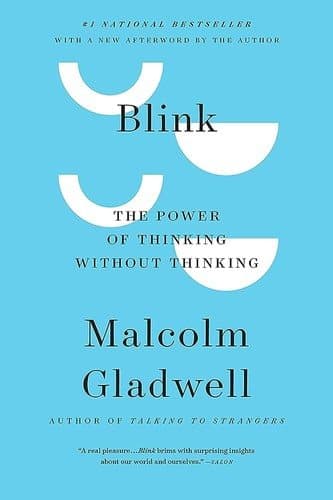
Gladwell explores 'thin-slicing' — the brain's ability to draw accurate conclusions from very limited information. Art experts spotting a forgery, gamblers picking the rigged deck, marriage researchers predicting divorce in 15 minutes: rapid cognition, when trained, is uncannily good. But it can also fail spectacularly under stress, racial priming, or information overload. The book is a study of when to trust your gut and when not to.
Key highlights
What we learned from Malcolm Gladwell
Gladwell's gift is rehabilitating the gut without romanticizing it. Through the Getty kouros that experts knew was wrong in two seconds and Gottman's fifteen-minute divorce predictions, you learn that thin-slicing is uncannily accurate when trained — and dangerously wrong when stressed, primed, or asked to explain itself. You leave less interested in choosing between intuition and analysis, and more interested in knowing which domain you're standing in before you trust either one.