Summary
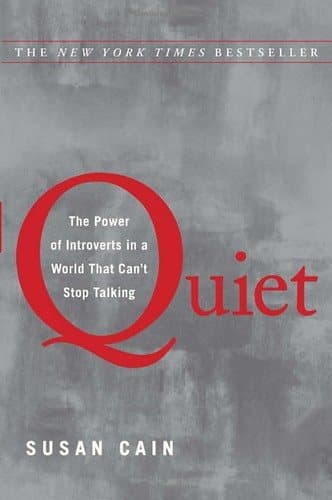
Cain examines the 'extrovert ideal' — the cultural assumption that the bold, the brash, and the verbal are inherently more capable. Drawing on neuroscience and history, she shows how introverts (a third to a half of the population) think differently, lead differently, and create differently — and how schools, offices, and meetings systematically silence them. The book is a quiet manifesto for designing environments where introverts can thrive.
Key highlights
What we learned from Susan Cain
Cain's gift is permission. After watching Wozniak design the Apple I alone in a cubicle from 10pm to 3am, and Rosa Parks refuse to move so King could speak, you stop apologizing for needing solitude and stop confusing volume with capacity. You leave designing your work and home around restorative niches instead of performing extroversion, and pairing complementary types deliberately — because the quiet ones aren't broken loud people, they're half the talent the room is built to silence.