Summary
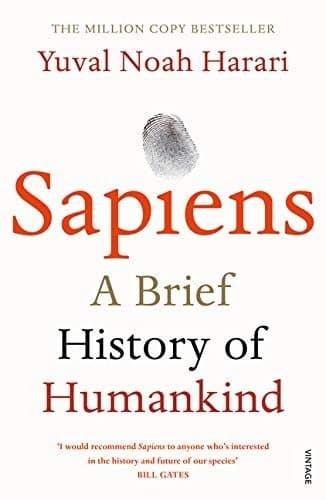
Yuval Noah Harari traces seventy thousand years of Homo sapiens from a marginal African ape to the master of Earth. He argues that what set our species apart wasn't bigger brains or sharper tools, but a peculiar talent — imagining things that don't physically exist (gods, nations, corporations, money) and convincing millions of strangers to believe in the same fictions. He calls this the Cognitive Revolution. From there he walks through the Agricultural Revolution, which he calls history's biggest fraud because it made individual lives harder while letting populations explode; the slow unification of humankind through money, empires, and universal religions; and the Scientific Revolution, which he says began the moment Europeans started writing the words 'we don't know.' The book is provocative on purpose. Harari wants you to see your job, your country, and your bank account as shared hallucinations powerful enough to coordinate eight billion people.
Key highlights
What we learned from Yuval Noah Harari
Harari's gift is a kind of vertigo — the realization that nearly every load-bearing structure in modern life (money, nations, careers, laws) is a story we keep retelling each other. The book does not ask you to abandon those stories. It asks you to notice you are inside one, and to choose which fictions are worth your belief and which are quietly costing you.