Summary
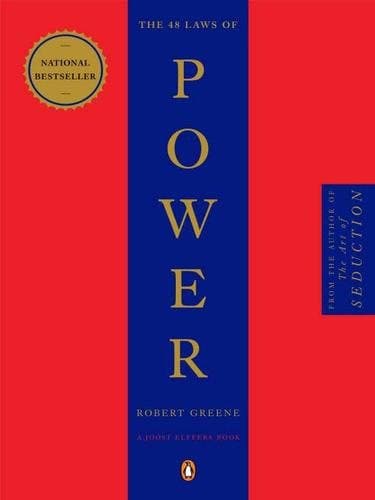
Robert Greene spent years inside Sun Tzu, Machiavelli, Schopenhauer, and the memoirs of courtiers, generals, and con artists, then compressed three millennia of power tactics into forty-eight laws. Each follows a four-part structure: a one-line dictum, a brief judgement explaining the logic, a transgression (a historical figure who broke the law and paid for it), and an observance (someone who followed it and won). The cast is exhaustive — Louis XIV's finance minister Nicolas Fouquet ruined by a single ostentatious party in 1661, Talleyrand surviving five French regimes by serving each ruler's vanity, P. T. Barnum building an empire on court-attention-at-all-cost, Cortés scuttling his ships at Veracruz to make retreat impossible. The book is morally amoral by design: Greene argues that power operates with or without your participation, and pretending otherwise just means being played by someone who knows the rules. It became required reading among rappers, executives, prisoners, and diplomats precisely because it dropped the moralizing — readers got the operating manual, not the lecture.
Key highlights
What we learned from Robert Greene
Greene's gift is a flat, unflinching look at how power actually moves — not how we wish it moved. The forty-eight laws are not prescriptions to follow blindly but a vocabulary for naming the moves already being made around you: by your boss, your rival, the institution you serve. Read this way, the book turns spectators into operators — not necessarily into Machiavellians, but into people who can no longer be played without noticing it.