Summary
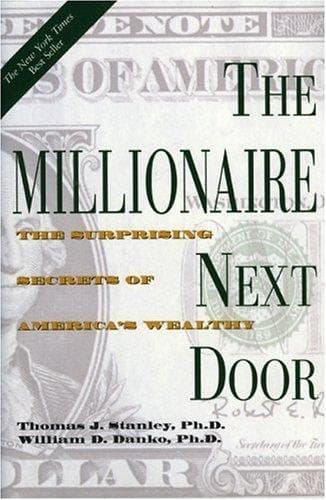
Thomas Stanley and William Danko spent two decades surveying and interviewing American millionaires, and what they found upended the popular image of wealth. The typical millionaire was a self-employed business owner — a paving contractor, a scrap dealer, a welding supply shop owner — who drove a used domestic car, lived in the same middle-class neighborhood for decades, and could recite his household's annual spending on socks. Stanley and Danko drew a sharp line between the Income Statement Affluent — high earners whose lifestyle swallowed the paycheck — and the Balance Sheet Affluent, who built genuine net worth quietly. Their famous formula, age times pretax income divided by ten, gave readers a way to grade themselves as Prodigious or Underaccumulators of Wealth. The book argued that defense — budgeting, frugality, low overhead — mattered far more than offense in becoming wealthy. It also delivered a hard warning about Economic Outpatient Care, the recurring cash gifts from wealthy parents that hollow out the very children they were meant to help. Twenty-five years on, it remains one of the most-cited and most-misread books on personal wealth in America.
Key highlights
What we learned from Thomas J. Stanley
Stanley and Danko's gift is severing the cultural braid between earning and wealth — the surgeon driving a leased Porsche is the cautionary tale, the welding contractor in the twenty-year-old ranch house is the role model. The PAW formula and the Big Hat, No Cattle frame give you two small mirrors you can hold up to your own balance sheet on a Sunday afternoon. You leave less interested in the next promotion and more interested in what you'd quietly keep if it never came.