Summary
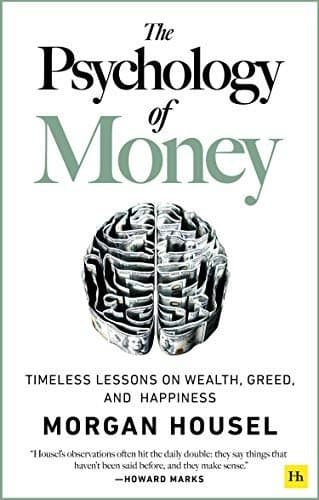
Housel argues that financial outcomes are driven less by knowledge and more by behavior — patience, humility, and the ability to avoid disaster. Through nineteen short essays he explains why two people with the same education can end up wildly different financially, why luck and risk matter more than we admit, and why a janitor can outsave a Goldman partner. Tail events, time, and tolerance for boring matter most.
Key highlights
What we learned from Morgan Housel
Housel's gift is showing that finance is the rare field where Ronald Read the gas-station attendant outperforms Richard Fuscone the Harvard MBA, because the variable is behavior, not knowledge. Wealth is the cars not bought, time horizon is the multiplier no skill replaces, and Markowitz himself split his retirement 50/50 because reasonable beats rational every decade. You leave saving like a pessimist, investing like an optimist, and naming what 'enough' looks like before the goalpost moves again.