Summary
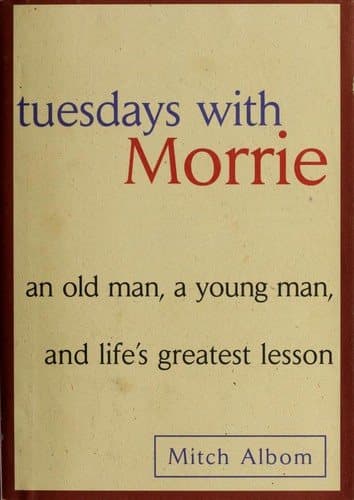
In 1995, sportswriter Mitch Albom saw his old college mentor Morrie Schwartz on Nightline, gaunt with ALS and giving Ted Koppel lessons on dying. He flew to West Newton, Massachusetts, and started visiting Morrie every Tuesday until the disease took him fourteen weeks later. The conversations became a curriculum on regret, family, money, culture, and love — Morrie called it 'a final thesis.' His central claim is that the defaults of late-twentieth-century life — accumulate more, work harder, stay distracted — make people terrible at living and worse at dying. He counters with disciplines pulled from Judaism, Buddhism, and decades of teaching sociology at Brandeis: feel emotions fully before releasing them, invest in relationships above careers, build a small culture against the loud one outside, and rehearse death often enough that it sharpens the days. The book is short and uncluttered, less because Albom is brief than because Morrie was — by the end, every sentence had to be earned with a breath.
Key highlights
What we learned from Mitch Albom
Albom hands us Morrie Schwartz's last syllabus: dying is the most honest teacher available, and the curriculum it offers — feel everything fully, build a small culture against the loud one, forgive yourself first, choose love because nothing else survives the body — is one we keep refusing only because the alternative is louder. The book's quiet gift is that you do not need a fatal diagnosis to enroll. You only need a Tuesday.