Summary
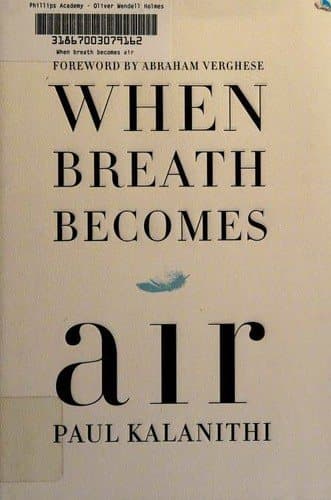
Paul Kalanithi spent a decade preparing to be one of the country's most ambitious neurosurgeon-scientists. In May 2013, with two months left in residency at Stanford, he pulled up his own chest CT and saw lungs matted with tumors. When Breath Becomes Air is the memoir he wrote in the twenty-two months between that scan and his death in March 2015 — a literary doctor's account, from the patient's side of the bed, of what makes a finite life worth living. He writes about choosing medicine over a PhD in English literature, about the patients whose words he carried for years, about deciding with his wife Lucy to have a child after the diagnosis, and about the strange double identity of being both physician and dying body. The book was unfinished when he died and completed by Lucy; it reached number one on the New York Times nonfiction list within weeks of release in early 2016. It is the rare memoir that reads less like confession and more like an uncomfortably careful question: with the time you have, what is actually worth doing?
Key highlights
What we learned from Paul Kalanithi
Kalanithi's gift is the rare clarity of a doctor-turned-patient watching himself live and write at the same time — and writing it down honestly enough that the book becomes a tool for everyone else's eventual reckoning. The argument it leaves is simple and uncomfortable: the time available to anyone is shorter than they think, and having a number attached does not make the question of what to do with it any easier. Do the work that matters now, with the people who matter, while the body still lets you.