Summary
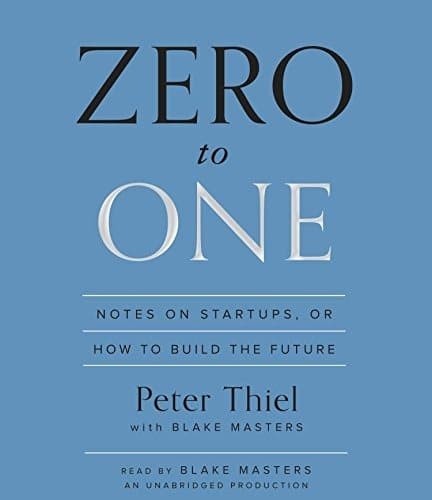
Zero to One began as notes a Stanford student named Blake Masters took during Peter Thiel's 2012 class on startups, CS183, which spread across the internet before becoming a book. Thiel — cofounder of PayPal, the first outside investor in Facebook, and a founder of Palantir and Founders Fund — argues that most of what passes for ambition is really imitation: copying proven models to take the world from one to n. Real value, he claims, comes from vertical progress, from creating something genuinely new and going from zero to one. His most provocative thesis is that competition is overrated and even destructive: monopolies built on a unique product, not commodity businesses locked in price wars, are the companies that earn lasting profits and can afford to think long-term. He insists that returns in startups and venture capital follow a brutal power law, that every great company is built on a secret others have overlooked, and that even brilliant products fail without deliberate sales and distribution. Underneath the contrarian provocations is an argument for definite optimism — for planning boldly toward a specific future rather than treating progress as a lottery.
Key highlights
What we learned from Peter Thiel
Thiel's gift is permission to be contrarian on purpose — to distrust the comfort of competition and the safety of imitation, and to ask instead what valuable thing nobody else is building. He hands the reader a working toolkit for that question: escape rivalry by owning a monopoly, plan around the power law instead of the average, hunt for the secrets the consensus has stopped looking for, and never mistake a great product for a finished business. The deeper lesson is that the future is not something that simply arrives — it is built, deliberately, by the few people willing to think for themselves.